

16
abrilHow Engravings Reveal the Truth About Fake Watches
Engraved markings serve as key indicators of the authenticity of replica watches, though they are often misunderstood by collectors and buyers. Many people assume that a watch with detailed engravings must be genuine, but the situation is far from black and white. Reputable Swiss brands meticulously craft serial numbers, hallmarks, and model identifiers through precision laser and hand-finishing processes that fakes fail to replicate. These engravings are not simply stamped or printed; they are typically precision-lasered and delicately polished to standards that embody the brand’s legacy and artisanship.
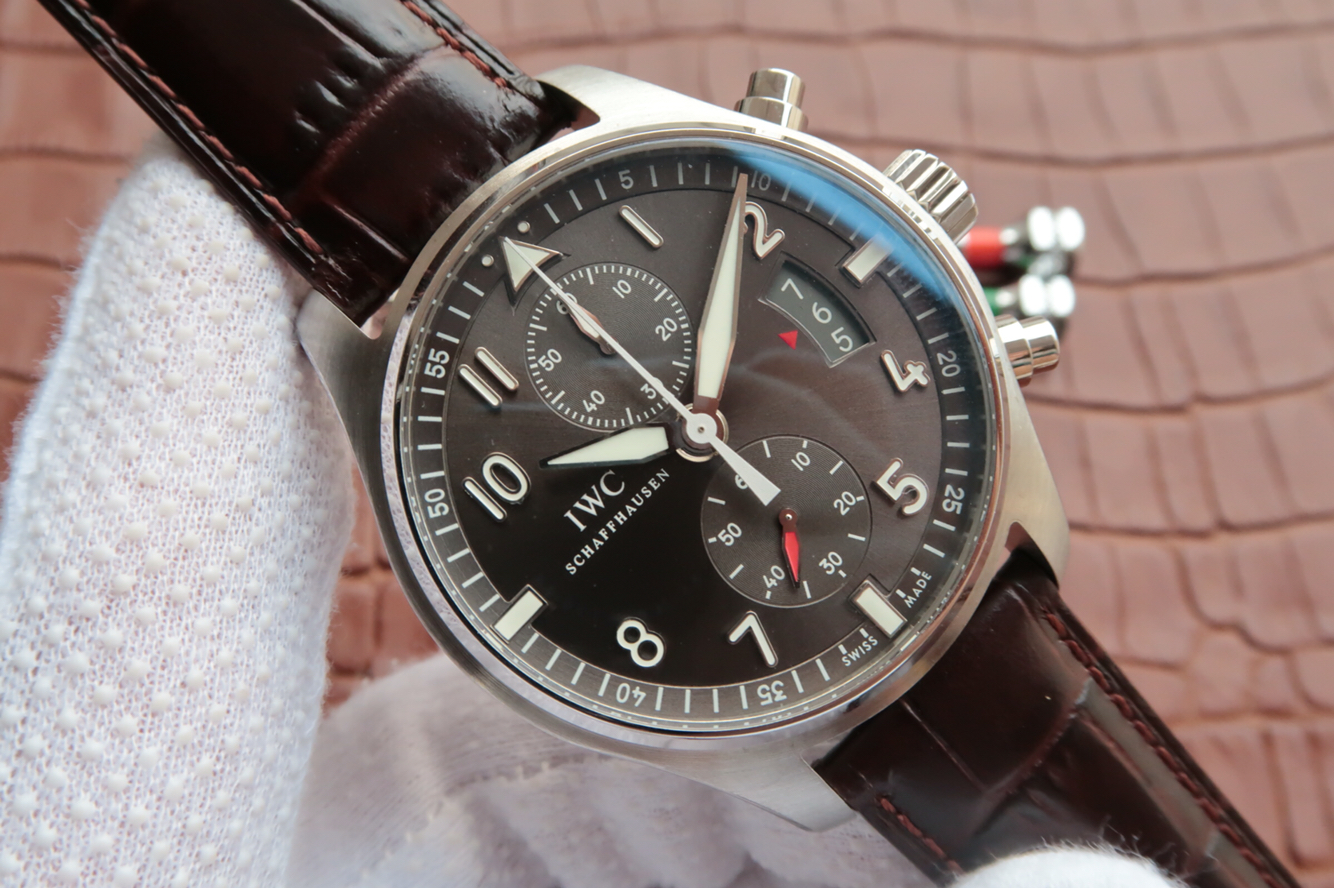
Counterfeiters try to replicate these markings, but the thickness, positioning, letter shape, 3K廠 綠手雷 改裝 and spacing often betray their origin. Serifs may be exaggerated, missing, or inconsistently shaped, or digit thickness and height may not match factory specs. Subtle irregularities stand out under close inspection against genuine models. Genuine engravings are placed in subtle, non-obvious locations like inside the case rim or beneath the bezel, and they adhere precisely to manufacturer specifications. Fakes tend to position engravings incorrectly or place them in locations that look convenient but are historically inaccurate.
The patina around the markings is a vital authenticity indicator. Genuine watches that have been worn for years develop subtle patinas around their engravings due to contact with skin, fabric, and metal. Replicas, especially new ones, often have overly crisp and clean engravings that fail to show any signs of time or use. A watch that claims to be vintage but has perfectly sharp engravings should raise suspicion.
Enthusiasts must cross-check engravings with verified manufacturer databases. Experts rely on microscopes and directional lighting to inspect engraving quality. Never rely solely on the presence of engravings to confirm authenticity. They must be evaluated in context with the caliber, metal composition, heft, and assembly quality.
In short, engravings are not just decorative elements—they are forensic markers of a watch’s origin. Their precision, placement, and condition can expose even the most convincing replicas. Understanding what authentic engravings look like is essential for anyone serious about collecting or investing in timepieces.

Reseñas