

15
abrilHow Replica Watchmaking Has Advanced Over Time
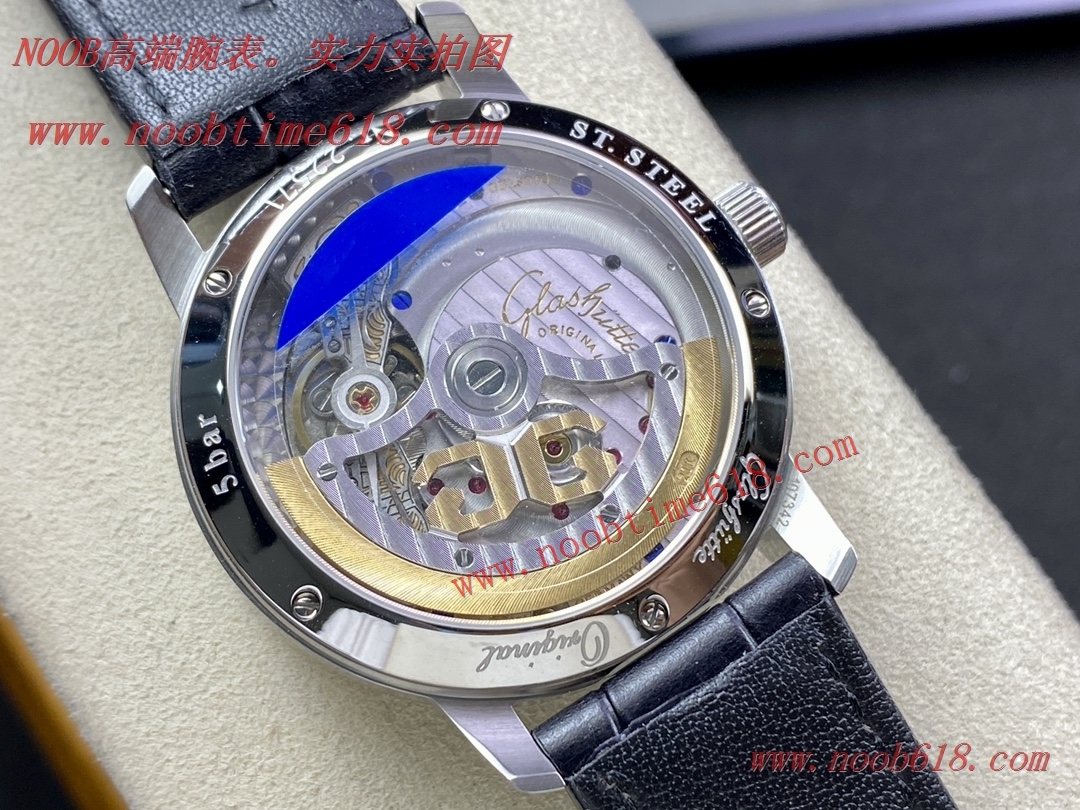
The advancement of counterfeit watch production has been shaped by advances in technology, consumer demand, and the increasing sophistication of authentic timepiece design. In the early days of replica watchmaking, artisans relied on manual tools and basic machinery to mimic the appearance of luxury watches. These early copies often had clear imperfections including off-center hands, low-quality printing, and movements that failed to match the accuracy of genuine models. Despite their shortcomings, they met the needs of consumers drawn to luxury design but constrained by budget limitations.
As the 20th century progressed, cheaper, mass-produced equipment and global sourcing of components enabled significant quality upgrades. The introduction of computer-controlled precision cutting in the '80s marked a turning point. This technology allowed for micron-level precision in part manufacturing, making fake watches nearly identical in shape and texture to the real thing. At the same time, advancements in electronic timekeeping modules made it easier to build durable, affordable movements that closely emulated the smooth operation of Swiss automatics.
By the 2000s, the integration of computer-aided design and digital scanning revolutionized the industry. Manufacturers could now scan and analyze authentic watches down to the micrometer, creating digital blueprints that were then used to produce exact copies. The use of advanced micro-engraving and photolithographic printing allowed for meticulous duplication of tiny engraving, markers, and authentication marks that were previously impossible to fake authentically.
In recent years, the integration of premium substances including zirconia ceramic, synthetic sapphire, and 904L steel has further narrowed the gap between replicas and originals. Some manufacturers now even obtain parts from OEM factories that supply top-tier watchmakers, making their fakes virtually undetectable without tools. Movement technology has also advanced, with some replicas now featuring refined adaptations of ETA and Miyota movements with enhanced precision and lifespan.
However, 高仿黃金隕石地通拿 the industry remains controversial. While some argue that replica manufacturing provides access to craftsmanship and design for those excluded by price, others see it as an ethical breach undermining original design and engineering. Regardless of perspective, the technical evolution of replica watchmaking reflects broader trends in global manufacturing—increased precision, accessibility, and innovation. As long as there is demand, the pursuit of perfection in replicas will continue, driven by ever more sophisticated tools and techniques.

Reseñas